
Year-Round Pest Risks in Pakistan
Pests are no longer just a seasonal inconvenience; they are a year-round risk for residential, commercial, and industrial properties across Pakistan. From termites silently damaging structures to rodents contaminating food supplies and mosquitoes spreading dangerous diseases, unmanaged pest activity can result in serious health, financial, and reputational losses. This is where pest risk management in Pakistan plays a vital role. Instead of relying on reactive pest treatments, integrated pest risk management focuses on prevention, monitoring, control, and long-term protection tailored to modern properties and lifestyles.
Understanding Pest Risk Management
Pest risk management is a strategic, systematic approach to identifying, assessing, and controlling pest threats before they escalate into serious infestations. Unlike traditional pest control, which often reacts after damage has occurred, integrated pest risk management emphasizes early detection, preventive action, and sustainable solutions. In Pakistan’s diverse climate and rapidly expanding urban environments, this approach is essential for maintaining hygiene, safety, and structural integrity.
Modern pest risk management combines inspections, environmental modification, targeted treatments, and continuous monitoring. This ensures that pest problems are addressed at their source rather than treated repeatedly with short-term fixes.
Why Pest Risk Management Is Essential in Pakistan
Pakistan’s warm climate, dense population, and mixed residential commercial zones create ideal conditions for pests to thrive. Poor waste management, stagnant water, construction activity, and aging infrastructure further increase pest risks. Without a structured pest risk management plan, properties remain vulnerable to recurring infestations.
Implementing pest risk management in Pakistan helps property owners reduce pest-related health hazards, prevent costly structural damage, and comply with hygiene regulations. It is particularly critical for hospitals, schools, restaurants, factories, warehouses, and housing societies where pest presence can have serious consequences.
Common Pest Risks in Modern Properties
Modern properties face a wide range of pest threats depending on location, usage, and construction design. Termites pose a major risk to wooden structures, furniture, and foundations. Rodents such as rats and mice damage wiring, contaminate food, and spread diseases. Cockroaches thrive in kitchens and drainage areas, while mosquitoes breed in stagnant water and transmit dengue and malaria. Bedbugs, ants, and flies further add to hygiene and comfort concerns.
An integrated pest risk management approach assesses all these risks collectively rather than treating each pest in isolation, ensuring comprehensive protection.
Key Components of Integrated Pest Risk Management
Integrated pest risk management relies on multiple interconnected steps that work together for long-term control. The first step is inspection and risk assessment, where trained professionals identify pest species, entry points, breeding areas, and environmental factors contributing to infestation. This assessment forms the foundation of an effective management plan.
The second component is prevention, which focuses on eliminating conditions that attract pests. This includes sealing cracks, improving sanitation, managing waste, and controlling moisture. By addressing these factors, pest activity can be significantly reduced without excessive chemical use.
Monitoring and Early Detection
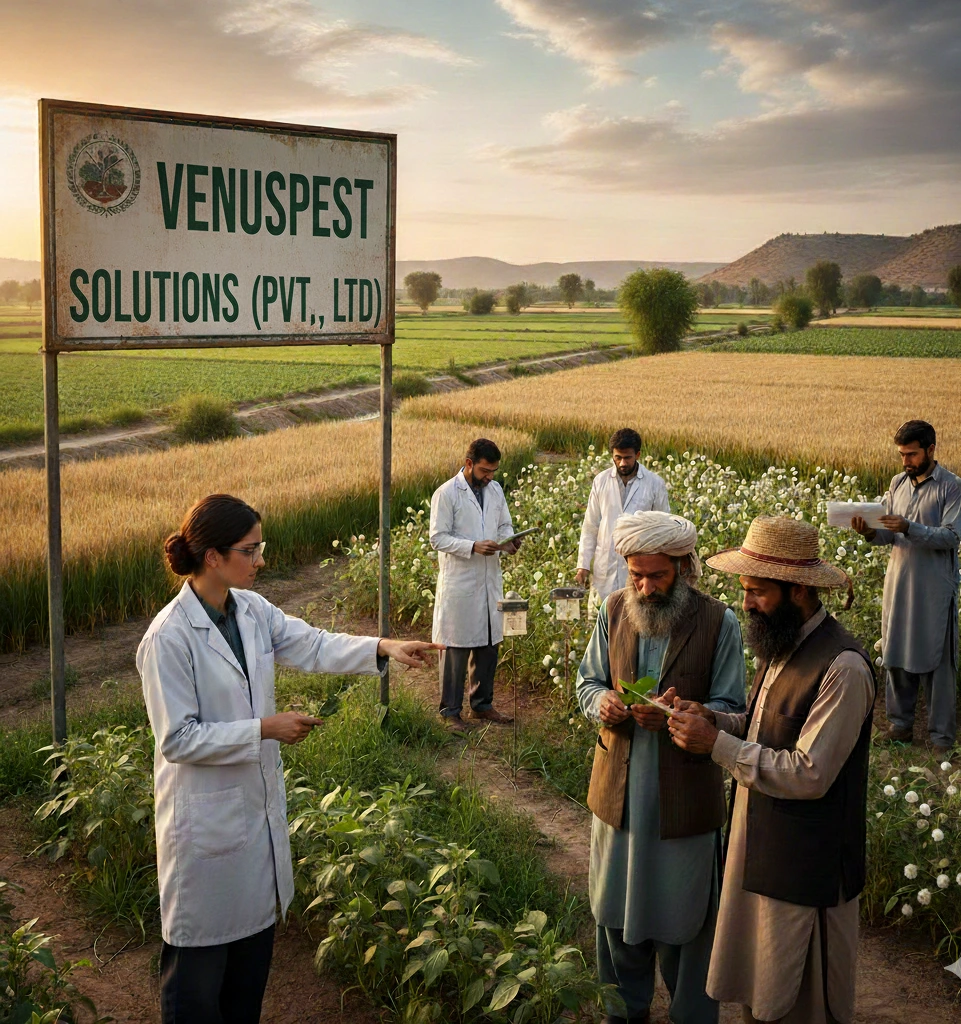
Continuous monitoring is a critical element of pest risk management in Pakistan. Regular inspections, monitoring devices, and activity tracking help detect early signs of infestation before pests spread throughout the property. Early detection minimizes damage, reduces treatment costs, and ensures faster resolution.
Monitoring also allows pest management professionals to evaluate the effectiveness of control measures and make timely adjustments. This proactive approach ensures that pest risks remain under control throughout the year.
Targeted and Responsible Pest Control Methods
When pest activity is detected, integrated pest risk management uses targeted control methods rather than blanket chemical spraying. These may include baiting systems for rodents, localized insecticide applications for cockroaches, larvicidal treatments for mosquitoes, and soil or wood treatments for termites.
By targeting specific pests and affected areas, this approach reduces environmental impact and improves safety for occupants. Responsible chemical use is especially important in homes, offices, and facilities where people, pets, and food are present.
Eco-Friendly and Sustainable Practices
Sustainability is a growing concern in modern pest management. Integrated pest risk management prioritizes eco-friendly solutions wherever possible. This includes using low-toxicity products, biological controls, and non-chemical methods such as traps and physical barriers.
In Pakistan, where environmental conditions vary widely, sustainable pest risk management helps balance effective control with environmental responsibility. It also supports long-term pest prevention by maintaining ecological balance rather than disrupting it.
Pest Risk Management for Residential Properties
Homes and apartments require a pest risk management approach that prioritizes safety and comfort. Common residential pest risks include termites, cockroaches, mosquitoes, rodents, and bedbugs. Integrated management ensures these pests are controlled without excessive chemical exposure.
Preventive inspections, proper sanitation guidance, and periodic treatments help homeowners maintain pest-free living spaces. Pest risk management in Pakistan is especially important for housing societies and apartment complexes, where shared spaces can accelerate pest spread if not properly managed.
Pest Risk Management for Commercial and Industrial Properties
Commercial and industrial properties face higher pest risks due to size, storage areas, food handling, and continuous activity. Restaurants, hotels, hospitals, warehouses, and manufacturing units require strict pest management protocols to meet regulatory and hygiene standards.
Integrated pest risk management provides customized solutions for these environments, combining regular monitoring, documentation, preventive maintenance, and targeted treatments. This structured approach helps businesses protect their reputation, avoid fines, and ensure operational continuity.
Role of Professional Expertise
Effective pest risk management requires trained professionals who understand pest behavior, local conditions, and modern control techniques. Professional pest management teams conduct detailed risk assessments, design customized plans, and apply treatments safely and efficiently.
In Pakistan, relying on professional expertise ensures that pest risk management strategies are aligned with local pest species, climate conditions, and regulatory requirements. This level of expertise cannot be achieved through DIY methods alone.
Long-Term Benefits of Integrated Pest Risk Management
Investing in integrated pest risk management offers significant long-term benefits. Properties experience fewer infestations, reduced damage, and lower overall pest control costs over time. Health risks associated with pests are minimized, creating safer environments for families, employees, and customers.
Additionally, proactive pest risk management preserves property value, enhances occupant satisfaction, and supports sustainable building practices. It transforms pest control from a reactive expense into a strategic asset.
Choosing the Right Pest Risk Management Partner
Selecting the right service provider is crucial for successful pest risk management in Pakistan. A reliable partner should offer comprehensive inspections, customized management plans, eco-friendly solutions, and ongoing monitoring. Transparency, professional training, and consistent follow-up are key indicators of quality service.
Working with an experienced pest management provider ensures that modern properties receive effective protection tailored to their specific risks and requirements.
Effective Pest Risk Management in Pakistan
Pests pose serious challenges to modern properties, but they can be effectively managed through a structured and proactive approach. Pest risk management in Pakistan provides long-term protection by focusing on prevention, monitoring, targeted control, and sustainability. Integrated pest risk management solutions safeguard health, protect property, and ensure compliance with hygiene standards across residential, commercial, and industrial environments.
By adopting a strategic pest risk management plan, property owners and businesses can move beyond temporary fixes and achieve lasting peace of mind in a pest-free environment.